AC Condensate Leak Water Damage in Spring Hill, FL
Air conditioning runs most of the year in Hernando County, and the air handler pulls gallons of water out of the air every day. When the drain clogs, that water lands in closets, ceilings and floors. The mitigation team dries it out.
(888) 621-2041AC leaking into the house? Call the Spring Hill drying teamIICRC S500 drying Truck-mounted extraction Daily moisture readings
First steps for ac condensate leak water damage in Spring Hill
- 1Turn the system off
Switch the thermostat off so the coil stops making water.
- 2Check the pans
Empty an overflowing pan with a wet vac if it is safe to reach.
- 3Protect the ceiling
Keep people out from under a sagging ceiling and catch drips.
- 4Call for drying
Book the HVAC fix and the dry-out at the same time.
How ac condensate leak water damage is handled in Spring Hill, FL
- 1
Map the moisture
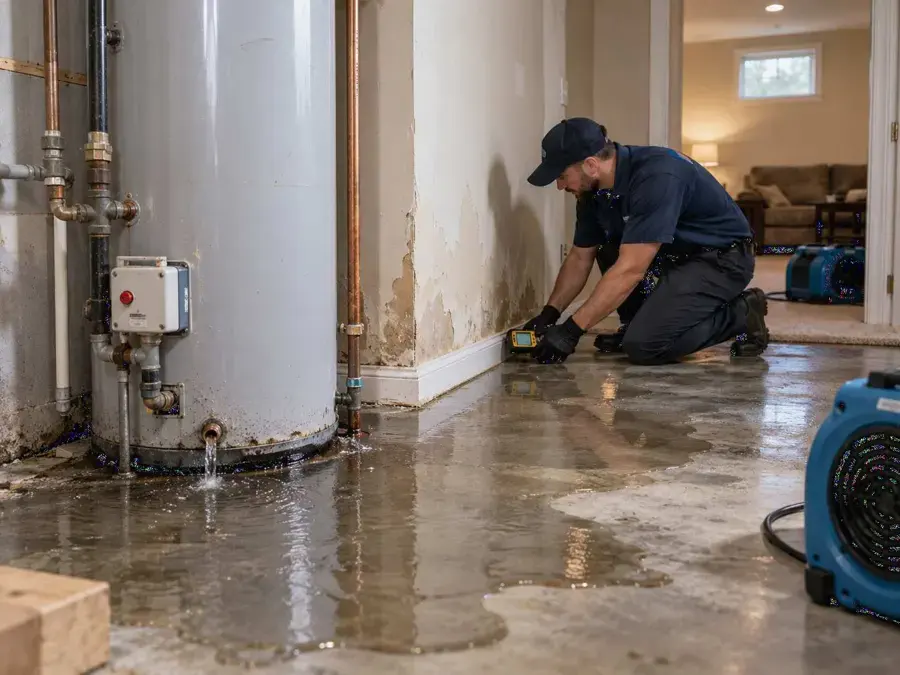
The tech who does the walkthrough maps moisture with pinless meters and thermal imaging before any equipment goes down, so the plan matches what is wet, not what looks wet.
- 2
Extract the water
The extraction crew pulls standing water with truck-mounted extraction, so the water leaves the building instead of moving to the next room.
- 3
Dry the structure
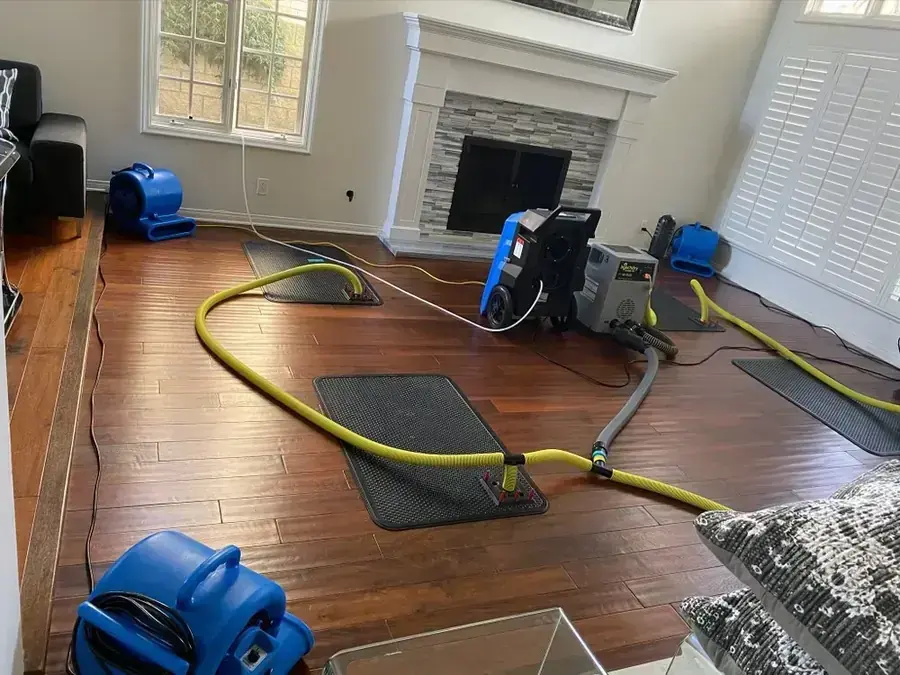
Air movers go in at each room's evaporation load, and LGR dehumidifiers pull that moisture back out of humid Florida air.
- 4
Verify and document
Crews record readings daily and pull equipment only when wet materials sit within 2 to 4 points of a dry reference, then the log goes into the claim file.
What does ac condensate leak water damage cost in Spring Hill, FL?
In Spring Hill, FL, AC condensate leak water damage typically runs $500 to $4,000, depending on whether the water stayed in a closet or came through a ceiling, how many days it ran, and how much drywall and insulation has to come out.
Closet only
$500 to $1,500
- Extraction
- Baseboard and wall drying
- Daily readings
Ceiling involved
$1,500 to $3,000
- Wet drywall removal
- Insulation removal
- Air movers and dehumidifier
Long-running leak
$3,000 to $4,000+
- Multiple rooms
- Antimicrobial on framing
- Extended drying
Ranges move with the water category, the square footage, the material class and how fast drying started. Run the water damage cost calculator for a planning number.
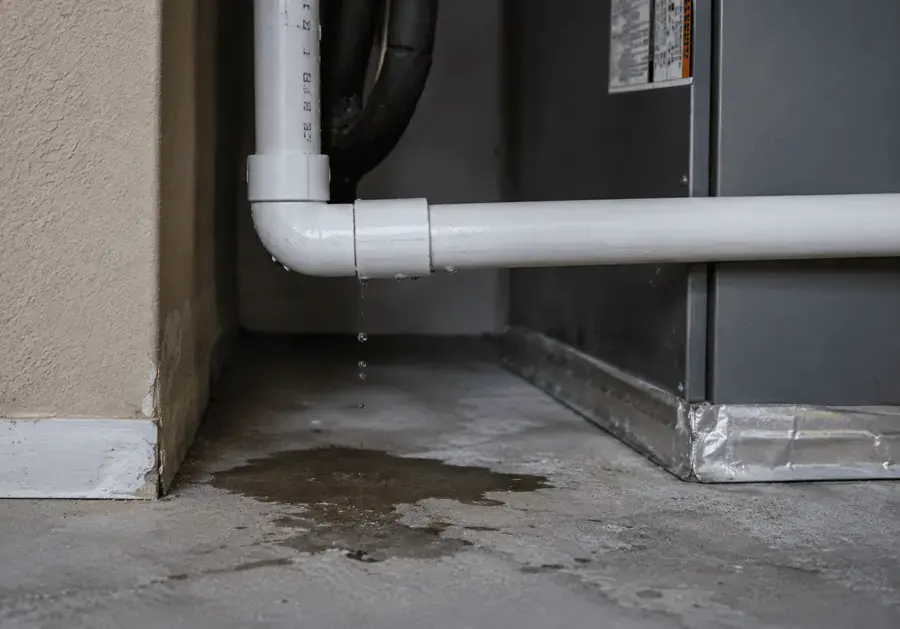
In a humid Gulf coast climate the air handler removes a surprising amount of water. It drips off the evaporator coil into a primary pan and runs out through a small PVC condensate line. Algae and debris grow in that line, and when it clogs the pan overflows. In a hall closet the water soaks the floor and the wall bottoms. In an attic it pools in the secondary pan, and if that pan is rusted or missing, it comes through the ceiling drywall below.
Where AC leaks cause damage in Spring Hill homes
- Interior closet air handlers on older block homes: wet carpet, baseboards and wall bottoms
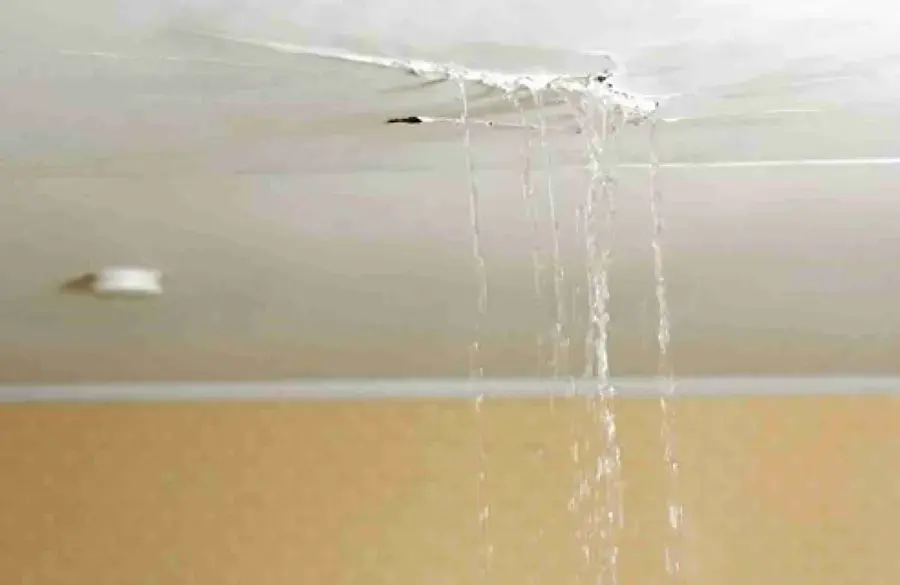
- Attic air handlers in newer east-side subdivisions: stained or sagging ceilings
- Failed float switches that should have shut the system off
- Rusted secondary pans and disconnected drain fittings
Because the leak is slow and steady, it often runs for days before anyone sees it. That extra time lets water wick higher into drywall and deeper into carpet pad.
How the drying team handles an AC leak
An HVAC technician clears the line and restores the float switch. The drying team maps moisture around the air handler and in the rooms below or beside it, removes soaked insulation or wet ceiling drywall, and sets air movers and dehumidifiers. Condensate is usually treated as Category 1 or low Category 2, but water that has been sitting in a dirty pan and a wet closet for days moves toward Category 2, which changes what can be dried in place.
Ceilings under an attic handler
Sagging drywall holds water and can drop without warning. The mitigation team drains and removes the wet section first, then dries the joists and the insulation line above.
Spring Hill AC leak: talk to someone about the water now
Keep the condensate line clear
Flushing the line with a cup of white vinegar a few times a year and replacing the filter on schedule prevents most clogs. The Department of Energy air conditioner maintenance page lists the basics, and ENERGY STAR covers efficient system care. If the water came through the ceiling, see ceiling leak water damage.
Water damage restoration across Spring Hill and Hernando County
The Spring Hill restoration crew covers every ZIP from Hernando Beach to Shady Hills, day or night.
The drying team works across Spring Hill, Weeki Wachee, Hernando Beach, Brooksville, Timber Pines, Shady Hills and Hudson, with rapid local response on the Suncoast Parkway and US 19 sides of town.
346063460734608346093461034611
See every neighborhood and ZIP coveredRelated water damage services in Spring Hill
AC Condensate Leak Water Damage questions in Spring Hill, FL
Why does my AC leak water into the house?
Most leaks come from a clogged condensate drain line, an overflowing primary pan, a rusted secondary pan or a float switch that failed to shut the system off.
Is AC condensate water dangerous?
It starts fairly clean, but it collects in pans with algae and dust and sits in closets and ceilings. After a day or two it is treated as Category 2, and wet materials are handled accordingly.
Can I keep running the AC while it drips?
It is better to turn it off until the line is cleared. Every hour it runs, the coil adds more water to the floor or ceiling.
Does a wet ceiling have to be replaced?
Drywall that sags, crumbles or stays wet past the drying window usually comes out. Firm drywall with a small stain can often be dried and sealed.
How can I prevent another condensate leak?
Flush the drain line with vinegar a few times a year, keep filters fresh, and have a float switch installed and tested on the primary drain.
Is AC leak damage covered by insurance?
Sudden overflow damage is often covered, while damage from a long-ignored leak may not be. Coverage depends on your policy, so it is worth checking with your own insurer.
AC Condensate Leak Water Damage in Spring Hill? Get the drying started today.
Every hour water sits, it moves deeper into drywall, baseboards and the slab. The restoration team extracts, dries to the IICRC S500 goal and logs every reading for the claim.