Storm Surge & Flood Cleanup in Spring Hill, FL
Rising water from the Gulf, a canal or the Weeki Wachee River carries mud, salt and sewage. It is Category 3 the moment it enters. The flood cleanup crew removes what it touched and dries the structure behind it.
(888) 621-2041Floodwater in the house? Call for Spring Hill flood cleanupIICRC S500 drying Truck-mounted extraction Daily moisture readings
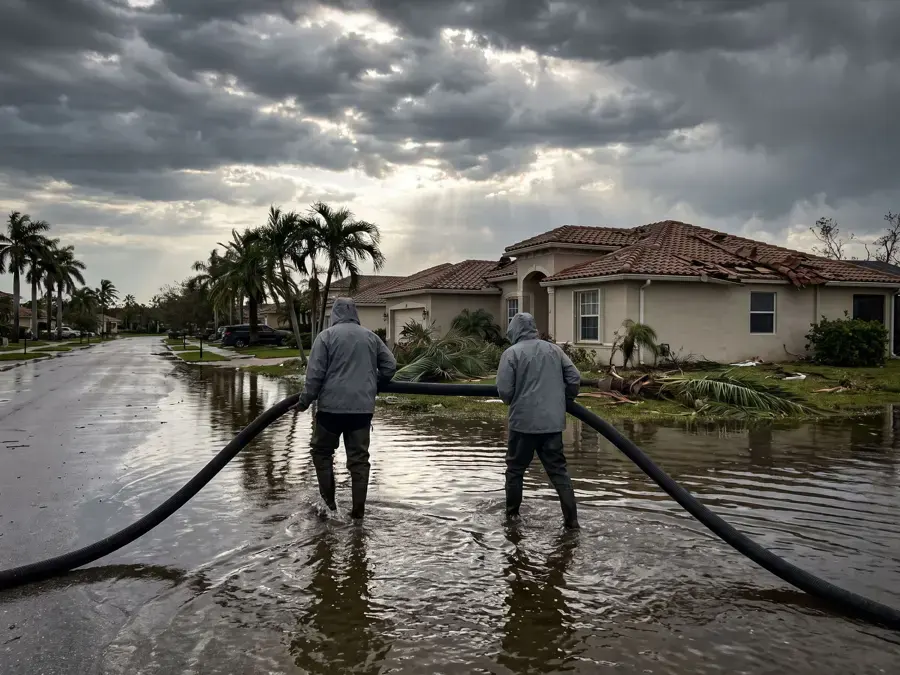
First steps for storm surge in Spring Hill
- 1Wait for safe entry
Enter only after authorities clear the area and power is off.
- 2Photograph the water line
Capture the high-water mark in every room before cleanup.
- 3Avoid contact
Wear boots and gloves; floodwater is contaminated.
- 4Call for cleanup
Wet drywall and insulation above the line need to come out fast.
How storm surge is handled in Spring Hill, FL
- 1
Map the moisture
The tech who does the walkthrough maps moisture with pinless meters and thermal imaging before any equipment goes down, so the plan matches what is wet, not what looks wet.
- 2
Extract the water
The extraction crew pulls standing water with truck-mounted extraction, so the water leaves the building instead of moving to the next room.
- 3
Dry the structure
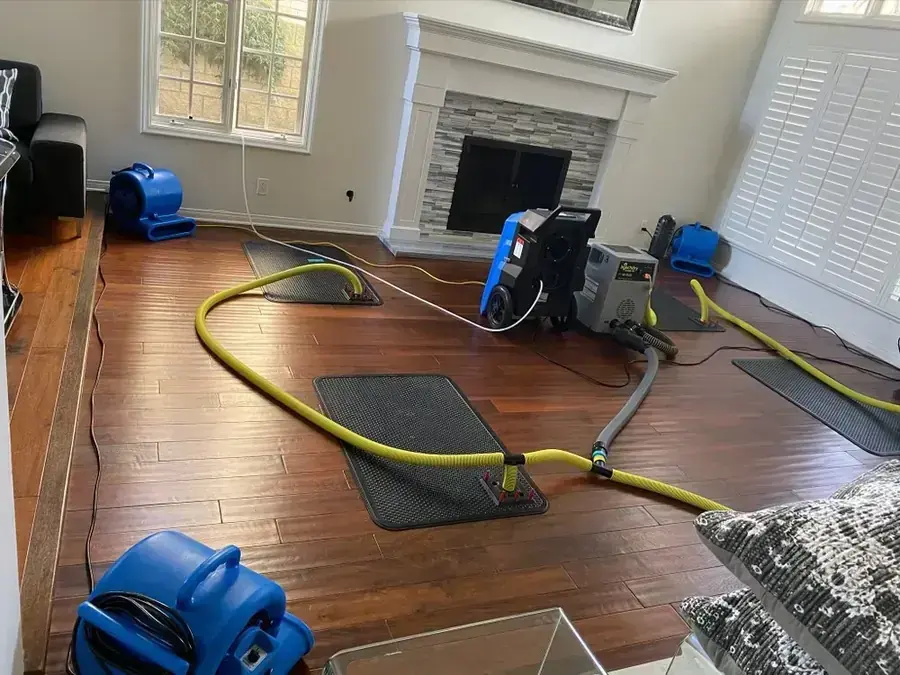
Air movers go in at each room's evaporation load, and LGR dehumidifiers pull that moisture back out of humid Florida air.
- 4
Verify and document
Crews record readings daily and pull equipment only when wet materials sit within 2 to 4 points of a dry reference, then the log goes into the claim file.
What does storm surge and flood cleanup cost in Spring Hill, FL?
In Spring Hill, FL, storm surge and flood cleanup typically runs $3,000 to $15,000 or more, depending on the water depth, how many rooms it reached, how much drywall, insulation and flooring has to be removed and whether saltwater was involved.
Shallow water
$3,000 to $6,000
- Extraction and mud removal
- Flood cuts
- Antimicrobial
Several inches to a foot
$6,000 to $10,000
- Drywall and insulation removal
- Cabinet removal
- LGR drying
Deep or saltwater
$10,000 to $15,000+
- Full gut to studs
- Rinse and clean
- Desiccant drying
Ranges move with the water category, the square footage, the material class and how fast drying started. Run the water damage cost calculator for a planning number.
Most of Spring Hill sits on sandy high ground, but the coastal west side does not. Hurricane Idalia in 2023 pushed storm surge into Hernando Beach and the lower Weeki Wachee River area, and low streets across the county flood when tropical rain overwhelms retention ponds. Floodwater that rises into a house is Category 3 from the start: it carries mud, fuel, lawn chemicals, septic overflow and in coastal areas salt.
What changes with Category 3 floodwater
- Porous materials touched by the water are removed, not dried: carpet, pad, drywall to above the water line, insulation
- The crew works in protective gear with containment where needed
- Surfaces are cleaned and treated with an EPA-registered antimicrobial
- Only then does structural drying of block, framing and slab begin
Saltwater adds another step. Salt left in wall cavities keeps pulling moisture from the air, so surfaces are rinsed and cleaned before they are dried.
How flood and surge cleanup runs
The flood cleanup crew pumps out and extracts standing water and mud, then photographs the water line in every room for the claim file. Flood cuts remove drywall a safe margin above the line, and wet insulation, carpet and swollen cabinets come out. After cleaning and antimicrobial treatment, air movers and LGR dehumidifiers dry the block and framing, with desiccant dehumidifiers brought in where Class 4 materials hold water. Readings are logged daily until the drying goal is met.
Flood coverage is separate
Rising water is covered by flood insurance, usually through the National Flood Insurance Program or a private flood policy, not a standard homeowners policy. Photograph the water line before any cleanup.
Spring Hill surge or flood water? Call now
Staying safe in floodwater
Do not wade through water near outlets or appliances, and keep children and pets away from it. The FEMA flood insurance page explains how flood claims work, and Ready.gov flood safety covers returning home safely. Rain pushed in by wind rather than rising water is covered on the hurricane rain page.
Water damage restoration across Spring Hill and Hernando County
The Spring Hill restoration crew covers every ZIP from Hernando Beach to Shady Hills, day or night.
The drying team works across Spring Hill, Weeki Wachee, Hernando Beach, Brooksville, Timber Pines, Shady Hills and Hudson, with rapid local response on the Suncoast Parkway and US 19 sides of town.
346063460734608346093461034611
See every neighborhood and ZIP coveredRelated water damage services in Spring Hill

Storm Surge and Flood Cleanup questions in Spring Hill, FL
Why is floodwater treated differently from a pipe leak?
Rising floodwater carries sewage, chemicals, soil and salt, so it is Category 3. Porous materials it touched are removed and surfaces are cleaned before drying.
How high do they cut the drywall?
Flood cuts go a safe margin above the highest water line, commonly 12 to 24 inches above it, so hidden wet material is not left behind.
Does homeowners insurance cover storm surge?
Standard homeowners policies usually exclude rising water. Flood insurance, often through the National Flood Insurance Program, covers it. Coverage depends on your policy, so it is worth checking with your own insurer.
Can a flooded block home be saved?
Yes. Concrete block and slab survive flooding well once wet drywall, insulation and flooring come out and the structure is cleaned and dried.
What about saltwater from surge?
Salt stays in materials and keeps attracting moisture, so surfaces are rinsed and cleaned before drying.
How long does flood drying take?
After removal and cleaning, block and framing usually dry in five to ten days. Deep flooding and dense materials take longer.
Storm Surge and Flood Cleanup in Spring Hill? Get the drying started today.
Every hour water sits, it moves deeper into drywall, baseboards and the slab. The restoration team extracts, dries to the IICRC S500 goal and logs every reading for the claim.