Water Extraction & Removal in Spring Hill, FL
Standing water moves into baseboards, drywall and the slab surface within hours. The extraction crew pulls it out with truck-mounted equipment so the drying team starts on a floor that is no longer holding water.
(888) 621-2041Get Spring Hill emergency water extraction startedIICRC S500 drying Truck-mounted extraction Daily moisture readings
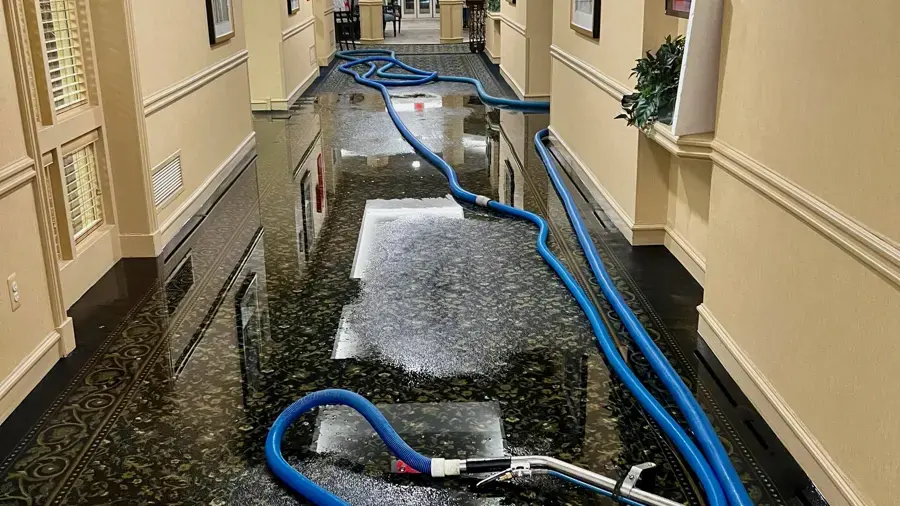
First steps for water extraction in Spring Hill
- 1Stop the source
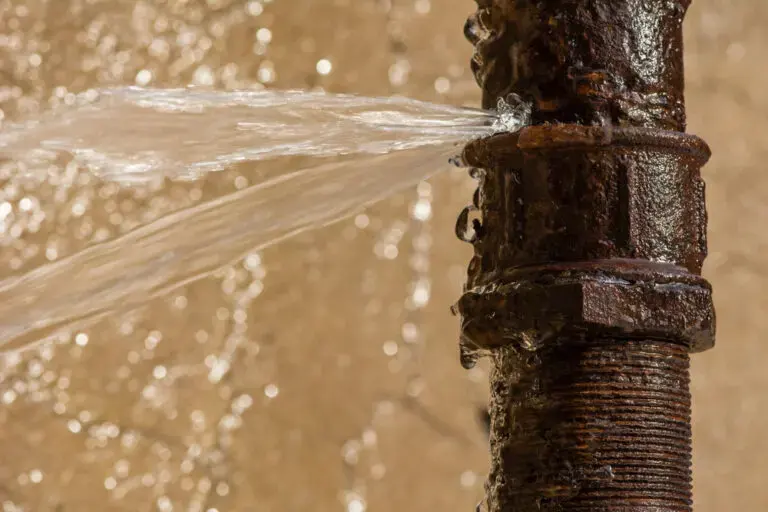
Shut the main valve or the fixture supply if you can reach it safely.
- 2Kill wet circuits
If the breaker panel is dry, switch off power to the wet rooms.
- 3Lift and photograph
Move rugs and furniture off the floor and photograph everything before it moves.
- 4Call for extraction
Standing water keeps spreading until someone pulls it out.
How water extraction is handled in Spring Hill, FL
- 1
Map the moisture
The tech who does the walkthrough maps moisture with pinless meters and thermal imaging before any equipment goes down, so the plan matches what is wet, not what looks wet.
- 2
Extract the water
The extraction crew pulls standing water with truck-mounted extraction, so the water leaves the building instead of moving to the next room.
- 3
Dry the structure
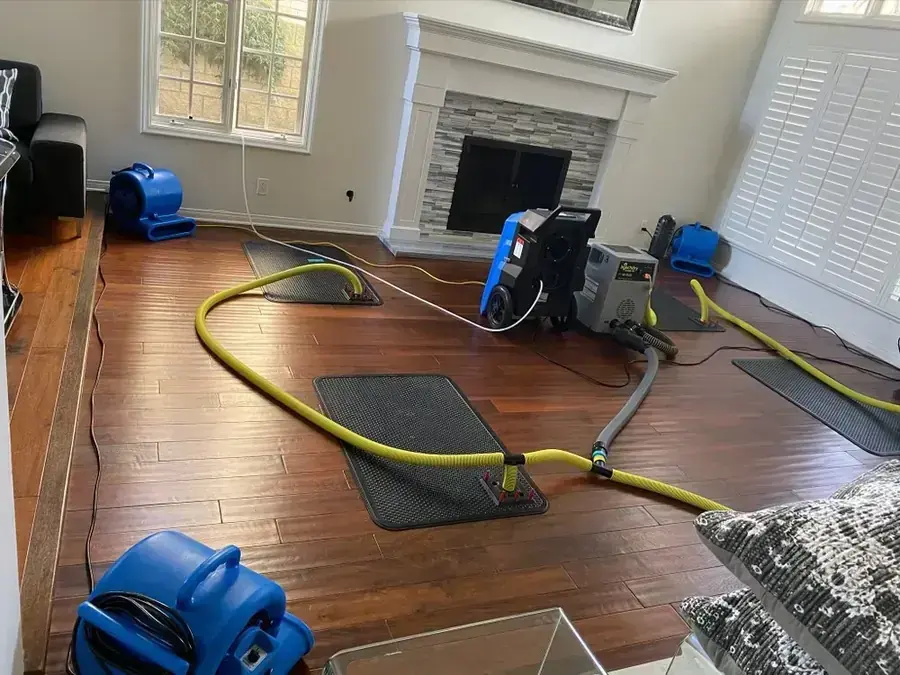
Air movers go in at each room's evaporation load, and LGR dehumidifiers pull that moisture back out of humid Florida air.
- 4
Verify and document
Crews record readings daily and pull equipment only when wet materials sit within 2 to 4 points of a dry reference, then the log goes into the claim file.
What does water extraction and removal cost in Spring Hill, FL?
In Spring Hill, FL, water extraction and drying for a contained loss typically runs $600 to $3,500, and whole-home losses run $4,000 to $10,000 or more, depending on the water category, the square footage and how long the water sat.
Single room
$600 to $1,800
- Portable or truck extraction
- Carpet and pad handling
- Air movers and daily readings
Several rooms
$1,800 to $4,000
- Truck-mounted extraction
- Baseboard and drywall flood cuts
- LGR dehumidifiers
Whole home
$4,000 to $10,000+
- Full-floor extraction
- Material removal
- Multi-day structural drying
Ranges move with the water category, the square footage, the material class and how fast drying started. Run the water damage cost calculator for a planning number.
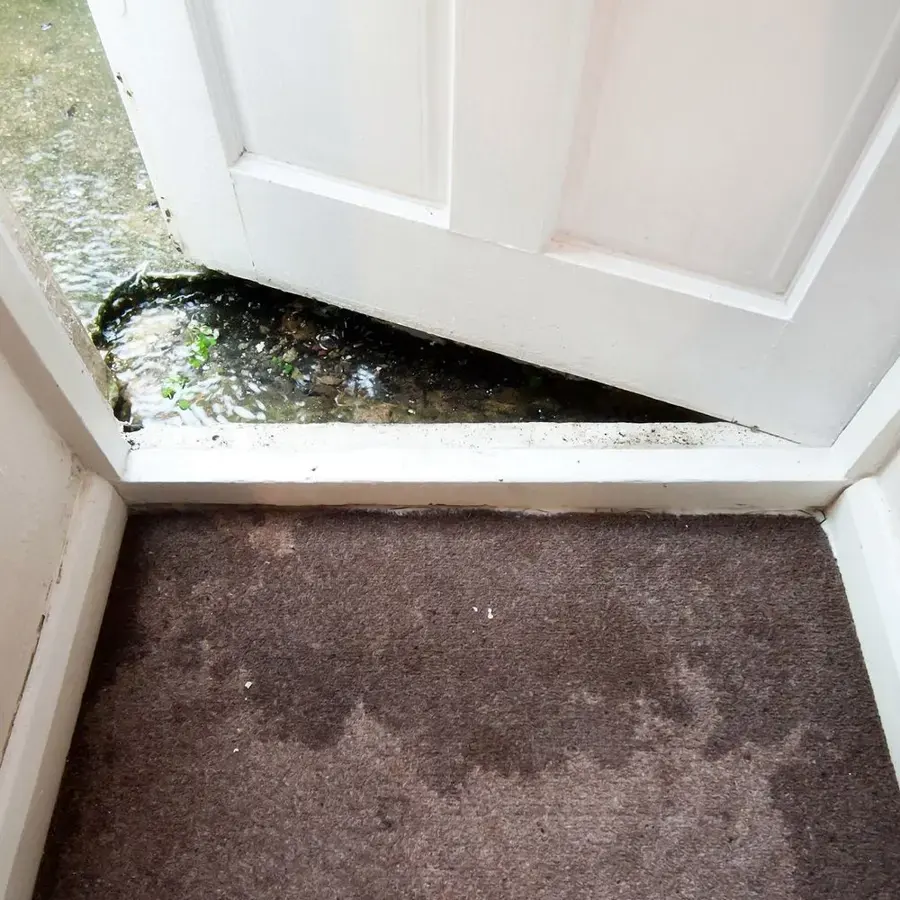
Extraction is the first move on every water loss in Spring Hill, whether the source is a split supply line, an overflowing AC pan or rain pushed under a door during a summer storm. Most homes here are single-story concrete block on a slab, so water has nowhere to drain. It spreads across tile and carpet, climbs into the bottom of drywall and soaks the tack strip before anyone notices. The extraction crew removes as much liquid as possible first, because pulling water out is many times faster than evaporating it later.
How the extraction crew removes standing water
The order of the work decides how much of the house can be saved:
- Stop the source, or confirm the main is closed, before any equipment runs
- Map the wet area with pinless meters and thermal imaging, including the room next door
- Pull standing water with truck-mounted extraction so it leaves the building
- Run weighted extraction tools over carpet and pad to squeeze out what the wand misses
- Hand the room to the drying team with air movers and LGR dehumidifiers
A portable unit works in a condo or a small bathroom. On a whole-house loss the truck-mounted system does the heavy work because it moves far more water and exhausts it outside instead of into the next room.
Water still spreading in Spring Hill? Call now.
Why fast extraction matters on a Florida slab
Concrete block and slab construction dries slowly once it is saturated, and Gulf coast humidity keeps the air close to its limit much of the year. Every gallon left on the floor has to be pulled out of the air later by a dehumidifier. Mold can start inside 24 to 48 hours on wet drywall and carpet backing, which is why the first few hours carry most of the outcome. Clean water from a supply line is Category 1, but it degrades toward Category 2 the longer it sits.
What happens to carpet and pad
On a Category 1 loss, carpet can often be dried in place after extraction, while the pad underneath is usually replaced because it holds water like a sponge. Carpet touched by Category 3 water is removed, not dried.
After the water is out
Extraction ends when the floor stops giving up water, not when it looks dry. The mitigation team then sets equipment to each room's evaporation load and records readings daily. For guidance on staying safe around floodwater, see Ready.gov flood safety, and for household leak habits see EPA WaterSense. Drying itself is covered on the structural drying page.
Water damage restoration across Spring Hill and Hernando County
The Spring Hill restoration crew covers every ZIP from Hernando Beach to Shady Hills, day or night.
The drying team works across Spring Hill, Weeki Wachee, Hernando Beach, Brooksville, Timber Pines, Shady Hills and Hudson, with rapid local response on the Suncoast Parkway and US 19 sides of town.
346063460734608346093461034611
See every neighborhood and ZIP coveredRelated water damage services in Spring Hill
Water Extraction and Removal questions in Spring Hill, FL
How fast should standing water be extracted?
As soon as the source is stopped. Water keeps wicking into drywall, baseboards and carpet pad every hour it sits, and mold can start inside 24 to 48 hours. Most of the salvage decision is made in the first day.
Can a wet vac do the same job?
A shop vac helps with a small spill, but it cannot pull water out of carpet pad or the surface of a slab the way truck-mounted extraction and weighted tools do. What stays behind has to be evaporated, which takes far longer in humid Florida air.
Is my carpet ruined after a flood?
Not always. Carpet soaked by clean water can often be extracted and dried in place, while the pad is usually replaced. Carpet touched by sewage or floodwater is Category 3 and gets removed.
Does extraction damage tile or slab floors?
No. Extraction tools pull water off the surface and out of grout lines without harming tile or concrete. The concern is the water that has already moved under baseboards and into wall bottoms.
Will homeowners insurance pay for water extraction?
Sudden and accidental water, such as a burst supply line, is often covered after the deductible, while rising floodwater falls under flood coverage. Coverage depends on your policy, so it is worth checking with your own insurer.
What happens after the water is removed?
The drying team sets air movers and LGR dehumidifiers, takes readings every day and removes equipment only when materials reach the drying goal against a dry reference.
Water Extraction and Removal in Spring Hill? Get the drying started today.
Every hour water sits, it moves deeper into drywall, baseboards and the slab. The restoration team extracts, dries to the IICRC S500 goal and logs every reading for the claim.