Ceiling Leak Water Damage in Spring Hill, FL
A brown stain or a sagging bulge means water is sitting above the drywall. The mitigation team drains it safely, removes what cannot be saved and dries the attic side and the room below.
(888) 621-2041Ceiling dripping? Speak with 24/7 dispatch in Spring HillIICRC S500 drying Truck-mounted extraction Daily moisture readings
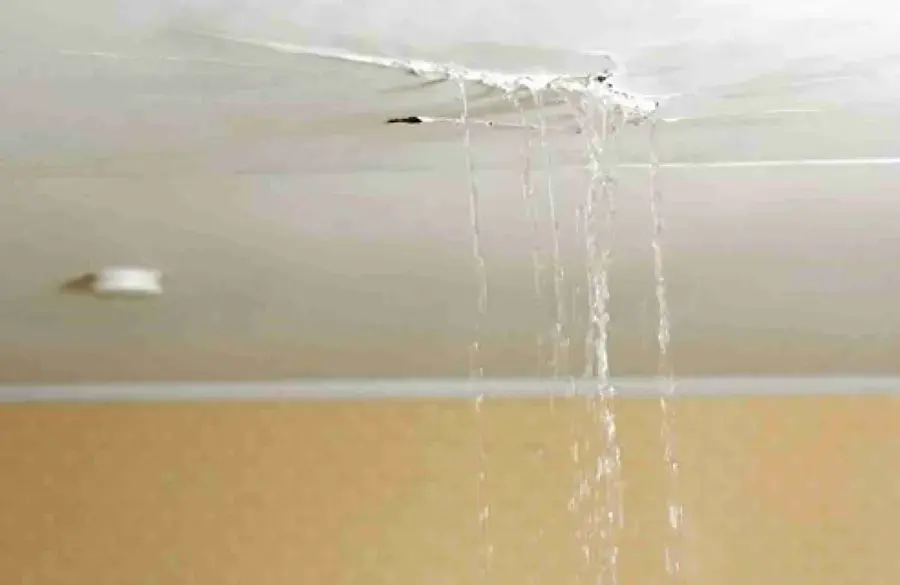
First steps for ceiling leak water damage in Spring Hill
- 1Kill that circuit
Switch off the breaker for lights or fans in the wet ceiling.
- 2Clear the room
Move furniture and people out from under the stain.
- 3Catch the drip
Put a bucket down and a tarp over the floor.
- 4Call before it drops
A wet ceiling can fall without warning.
How ceiling leak water damage is handled in Spring Hill, FL
- 1
Map the moisture
The tech who does the walkthrough maps moisture with pinless meters and thermal imaging before any equipment goes down, so the plan matches what is wet, not what looks wet.
- 2
Extract the water
The extraction crew pulls standing water with truck-mounted extraction, so the water leaves the building instead of moving to the next room.
- 3
Dry the structure
Air movers go in at each room's evaporation load, and LGR dehumidifiers pull that moisture back out of humid Florida air.
- 4
Verify and document
Crews record readings daily and pull equipment only when wet materials sit within 2 to 4 points of a dry reference, then the log goes into the claim file.
What does ceiling leak water damage cost in Spring Hill, FL?
In Spring Hill, FL, ceiling leak water damage typically runs $700 to $4,500, depending on how much drywall and attic insulation came down, whether the room below was soaked, and how long the leak ran.
Stain, no sag
$700 to $1,500
- Thermal scan
- Attic-side drying
- Daily readings
Sagging section
$1,500 to $3,000
- Controlled drain and removal
- Insulation removal
- Room below dried
Large ceiling area
$3,000 to $4,500+
- Multiple rooms
- Full insulation removal
- Documentation
Ranges move with the water category, the square footage, the material class and how fast drying started. Run the water damage cost calculator for a planning number.
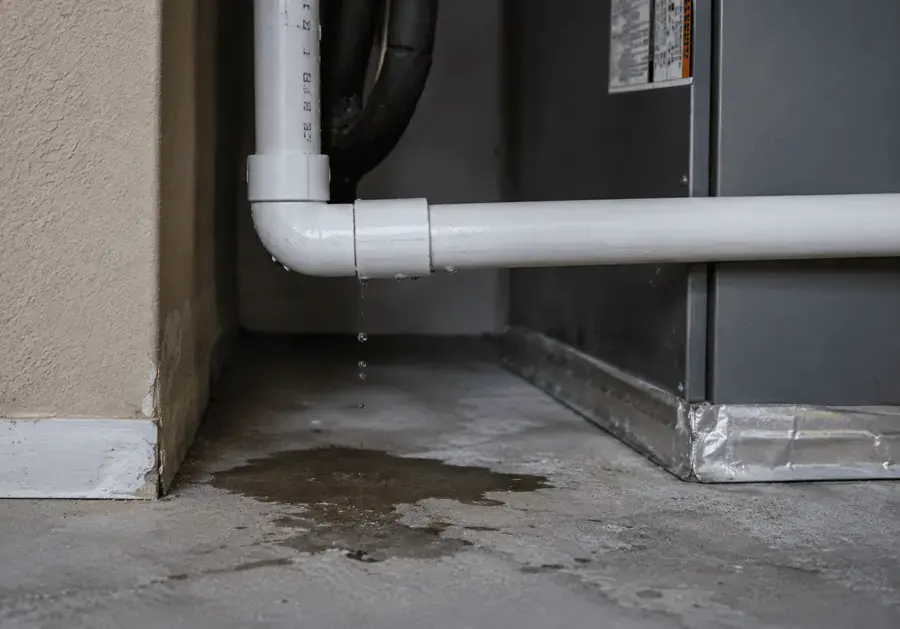
Most Spring Hill homes are single story, so a ceiling leak usually starts in the attic, not a bathroom upstairs. The usual sources are an air handler pan overflowing, a CPVC or polybutylene line splitting in attic heat, or a water heater installed in the attic space of some newer homes. Roof leaks show up on ceilings too; that envelope problem is covered on the roof leak page.
Warning signs above your head
- A yellow or brown ring that grows after the AC runs
- Drywall that bows, softens or cracks along a seam
- Drips from light fixtures, vents or smoke detectors
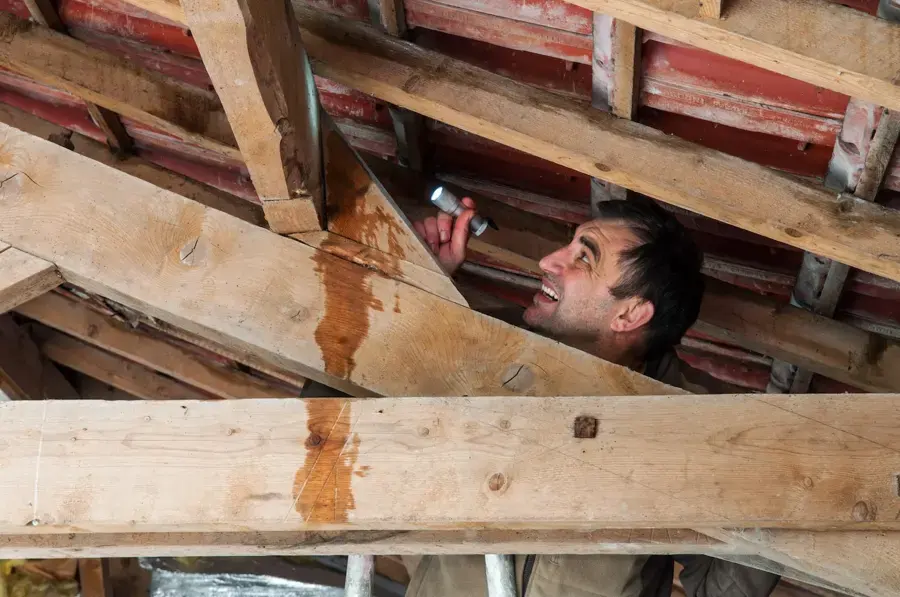
- Wet or matted blown-in insulation in the attic
Water and ceiling light fixtures do not mix. If water is coming through a fixture, switch that circuit off at the breaker and keep people out of the room.
How a ceiling leak is dried
The tech who does the walkthrough scans the ceiling plane with thermal imaging to see how far the water spread, then checks the attic side. A sagging section is drained through a small controlled hole and removed before it falls. Wet blown-in insulation is bagged and removed, because it holds water against the drywall and will not dry in place. Air movers and a dehumidifier dry the joists, the remaining drywall and the room below, where carpet and furniture often took the dripping water.
Stain versus damage
A small stain on firm drywall that dries within the drying window can often be sealed and painted. Drywall that sagged, crumbled or stayed wet for days is replaced.
Spring Hill ceiling leak: call before it comes down
Keep the attic dry
Check the air handler pan and float switch each spring, and look for staining under attic plumbing. The Department of Energy AC maintenance page covers condensate care, and UF/IFAS Extension publishes Florida home care advice. For AC-specific leaks, see AC condensate leak water damage.
Water damage restoration across Spring Hill and Hernando County
The Spring Hill restoration crew covers every ZIP from Hernando Beach to Shady Hills, day or night.
The drying team works across Spring Hill, Weeki Wachee, Hernando Beach, Brooksville, Timber Pines, Shady Hills and Hudson, with rapid local response on the Suncoast Parkway and US 19 sides of town.
346063460734608346093461034611
See every neighborhood and ZIP coveredRelated water damage services in Spring Hill

Ceiling Leak Water Damage questions in Spring Hill, FL
Is a sagging wet ceiling dangerous?
Yes. Wet drywall is heavy and can fall without warning. Keep people out from under it and switch off power to any fixtures in that ceiling.
What causes ceiling leaks in single-story Florida homes?
Attic air handler overflows, split supply lines in the attic, attic water heaters and roof leaks are the usual sources.
Does wet attic insulation have to be removed?
Soaked blown-in insulation usually comes out because it holds water against the drywall and loses its insulating value.
Can a stained ceiling just be painted?
Only after the source is fixed and the drywall is confirmed dry with a meter. A stain-blocking primer goes on first.
How long does a ceiling take to dry?
A small area on firm drywall may dry in a few days. Once drywall and insulation are removed, the joists usually dry within three to five days.
Is ceiling water damage covered?
Sudden leaks from plumbing or equipment are often covered, while roof wear may not be. Coverage depends on your policy, so it is worth checking with your own insurer.
Ceiling Leak Water Damage in Spring Hill? Get the drying started today.
Every hour water sits, it moves deeper into drywall, baseboards and the slab. The restoration team extracts, dries to the IICRC S500 goal and logs every reading for the claim.